

Have you ever wondered what is slugging skin and why your skin feels dry and flaky despite using moisturizers? Enter the world of slugging, a skincare trend that’s taking the beauty world by storm. Slugging involves applying a thick layer of petroleum jelly or another occlusive product as the final step in your nighttime routine. This technique creates a barrier that locks in moisture, helping your skin feel hydrated and plump by morning. If you’re curious about how to achieve that dewy glow, slugging might just be the answer you’ve been searching for.
What Is Slugging Skin
Definition
Slugging involves applying an occlusive, like petroleum jelly, as the last step in your skincare routine. This technique creates a barrier on your skin, sealing in moisture and preventing water loss. By doing this, you help your skin stay hydrated and plump. Many people use products like Vaseline or Aquaphor for slugging because they contain petrolatum, a well-known occlusive. These products work by forming a protective layer over your skin, keeping moisture locked in and enhancing the effectiveness of other skincare products you apply underneath.
Origin
The concept of slugging has its roots in K-beauty, where skincare routines often emphasize hydration and moisture retention. Korean beauty practices have long valued the benefits of occlusives for maintaining healthy, glowing skin. Recently, slugging has gained popularity on social media platforms like TikTok and Instagram. Beauty enthusiasts share their experiences and results, sparking interest and curiosity among skincare lovers worldwide. This trend has made slugging a go-to method for those seeking to improve their skin’s hydration and overall appearance.
Purpose
The primary purpose of slugging is to lock in moisture and improve skin hydration. By applying an occlusive layer, you create a barrier that prevents transepidermal water loss. This means your skin retains more moisture, which can lead to a healthier and more radiant complexion. Scientific Research Findings show that occlusives like petroleum jelly can significantly reduce water loss through your skin, making them highly effective for hydration. Additionally, slugging can help repair your skin barrier, especially if you have dry or damaged skin. By keeping your skin moisturized, you also enhance its elasticity and texture, giving you that sought-after dewy glow.
Who Should Slug?
Ideal Candidates
If you have dry, dehydrated, or flaky skin, slugging might be your new best friend. This technique can work wonders for those struggling with moisture retention. By applying an occlusive like petroleum jelly, you create a barrier that helps lock in hydration. Dr. Audrey Kunin, a board-certified dermatologist, explains that slugging is particularly beneficial for individuals prone to eczema, irritation, or chapping. It can alleviate these issues by maintaining a moist environment that allows your skin to heal and rebuild itself. So, if you’re looking to combat dryness and achieve a dewy glow, slugging could be the answer.
Not Recommended
However, slugging isn’t for everyone. If you have oily or acne-prone skin, you might want to think twice before trying this trend. Dr. Mudgil, a dermatologist, warns that slugging can be risky for those prone to breakouts. The occlusive nature of products like Vaseline can trap oils and irritate hair follicles, potentially leading to acne. Dr. Whitney Bowe also notes that while petrolatum isn’t inherently comedogenic, it can still cause breakouts in acne-prone individuals due to its occlusive properties. So, if you fall into this category, it’s best to approach slugging with caution.
Consultation
When in doubt, consulting with a dermatologist is always a wise move. They can provide personalized advice based on your skin type and concerns. Dr. Debra Jaliman, a New York dermatologist, emphasizes that slugging is fine for very dry skin but not ideal for acne-prone individuals. A professional can help you determine if slugging is suitable for you and guide you on how to incorporate it into your skincare routine safely. Remember, what works for one person might not work for another, so getting expert advice can save you from potential skin woes.
What Products Should I Use For Slugging?
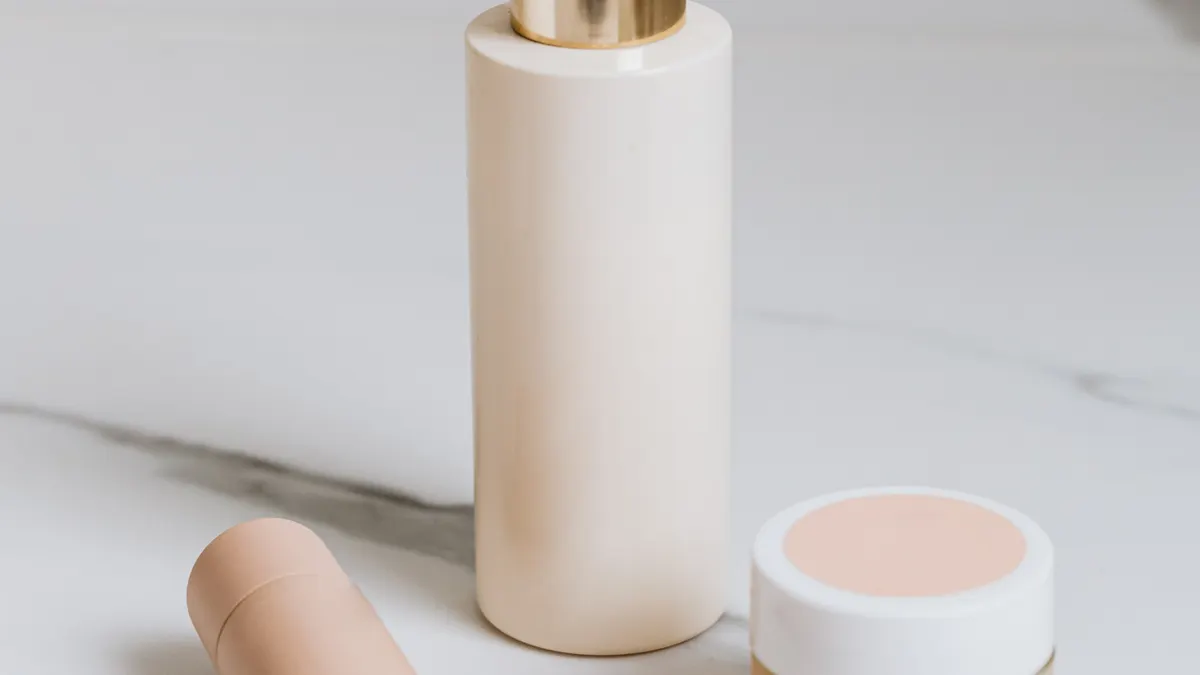
When it comes to slugging, choosing the right products is crucial for achieving that hydrated, dewy skin. Let’s dive into some of the best options you can use for this skincare technique.
Petroleum Jelly:
Vaseline is a classic choice for slugging. This petroleum jelly is noncomedogenic, meaning it won’t clog your pores. It’s perfect for chapped or dry skin, making it a go-to for many when slugging. You simply apply a thin layer as the last step in your nighttime routine to lock in moisture and wake up with softer skin.
Ointments:
If you’re looking for alternatives to petroleum jelly, consider ointments like CeraVe Healing Ointment and Aquaphor. These products are dermatologist-recommended for their moisturizing properties. CeraVe Healing Ointment contains ceramides and hyaluronic acid, which help maintain your skin’s natural barrier while providing hydration. It’s suitable for all skin types and won’t clog your pores. Aquaphor, another popular choice, is a petrolatum-based ointment that effectively locks in moisture, making it ideal for dry skin needs.
Avoid Additives:
When selecting products for slugging, it’s essential to choose those with minimal additives. Additives can sometimes irritate sensitive skin, so sticking to simple formulations is best. Look for products that focus on hydration without unnecessary ingredients. This approach ensures that your skin reaps the full benefits of slugging without any unwanted side effects.
By using these recommended products, you can effectively practice slugging and enjoy the benefits of improved skin hydration. Whether you opt for Vaseline, CeraVe Healing Ointment, or Aquaphor, each offers unique advantages to help you achieve that sought-after glow. Remember, the key to successful slugging lies in choosing the right product for your skin type and needs.
How To Slug Your Face
Ready to dive into the world of slugging? Here’s a step-by-step guide to help you get started and achieve that hydrated, glowing skin.
Spritz Serum
- Apply your usual serum to damp skin.
Start with a clean face. After cleansing, don’t dry your skin completely. Instead, leave it slightly damp. This helps your serum penetrate better. Take your favorite serum and gently apply it to your face. The dampness acts like a sponge, allowing the serum to absorb more effectively. - Allow it to absorb fully.
Give your serum a moment to sink in. This step is crucial because it ensures that your skin gets all the benefits of the active ingredients in your serum. Patience here pays off with better results.
Moisturize
- Apply your favorite moisturizer.
Once your serum has absorbed, it’s time for moisturizer. Choose one that suits your skin type. Apply it evenly across your face. This layer provides an additional boost of hydration and prepares your skin for the next step. - Ensure it’s fully absorbed before the next step.
Just like with the serum, let your moisturizer settle in. This ensures that your skin is well-prepared to lock in moisture with the occlusive layer you’ll apply next.
Face Oil (Optional)
- Apply a few drops of face oil if needed for extra hydration.
If your skin craves extra hydration, consider adding a face oil. A few drops can make a big difference. Gently massage it into your skin, focusing on areas that feel particularly dry. - Let it absorb.
Allow the oil to soak in. This step is optional, but it can provide an extra layer of nourishment, especially for those with very dry skin.
Barrier Balm
- Apply a thin layer of petroleum jelly or ointment.
Now comes the slugging part. Take a small amount of petroleum jelly or a similar ointment and apply it to your face. Focus on areas that tend to dry out, like your cheeks, forehead, and around your eyes. - Focus on dry areas like cheeks, forehead, and around the eyes.
These areas often need the most moisture. By concentrating on them, you ensure that your skin stays hydrated and plump. - Use a pea-sized amount to avoid excess.
You don’t need much. A pea-sized amount is usually enough. Too much can feel heavy and uncomfortable, so start small and adjust as needed.
Dr. Hadley King, a dermatologist, emphasizes the importance of applying an occlusive product correctly to maximize benefits. She notes that this technique can significantly enhance skin hydration and improve overall texture. By following these steps, you can enjoy the full benefits of slugging and wake up to refreshed, glowing skin.
Barrier Balm
Step 1: Apply a thin layer of petroleum jelly or ointment.
Start by applying a thin layer of petroleum jelly or ointment to your face. This step is crucial in the slugging process. Dr. Hadley King, a renowned dermatologist, emphasizes that this occlusive layer helps lock in moisture, enhancing your skin’s hydration. You want to ensure that the product covers your skin evenly, creating a barrier that prevents water loss overnight. Products like Vaseline or Aquaphor are popular choices due to their effectiveness in sealing moisture.
Step 2: Focus on dry areas like cheeks, forehead, and around the eyes.
Pay special attention to the areas of your face that tend to dry out the most. These typically include your cheeks, forehead, and the delicate skin around your eyes. By concentrating on these spots, you provide them with the extra hydration they need. Dr. Shari Marchbein, another expert in dermatology, recommends this technique for those with dry skin conditions like eczema. It helps maintain a moist environment, allowing your skin to heal and rejuvenate.
Step 3: Use a pea-sized amount to avoid excess.
Less is more when it comes to slugging. Use only a pea-sized amount of your chosen balm. Applying too much can feel heavy and uncomfortable, and it might even clog your pores. Steph Scalet, a skincare enthusiast, advises starting small and adjusting as needed. This approach ensures you get the benefits of slugging without overwhelming your skin. By using just the right amount, you wake up with skin that feels soft, plump, and refreshed.
Pro Tip: According to Amy Kassouf, MD, slugging can be a game-changer for those with dry or dehydrated skin. However, if you have oily or acne-prone skin, proceed with caution. Always listen to your skin’s needs and adjust your routine accordingly.
Find Your Own Slugging Style
Experiment
Finding your perfect slugging routine involves a bit of trial and error. Everyone’s skin is unique, so what works for one person might not work for you. Start by experimenting with different amounts and types of occlusive products. You might find that a thin layer of Vaseline works wonders, or perhaps a richer ointment like Aquaphor suits your skin better. Pay attention to how your skin reacts. If it feels too greasy, try using less product. If it’s still dry, consider adding a bit more. Dr. Whitney Bowe highlights that slugging can be particularly beneficial for those with eczema or very dry skin, as it helps seal in moisture and repair the skin barrier.
Consistency
Consistency is key when it comes to skincare. To truly see the benefits of slugging, you need to stick with it for a while. Try incorporating it into your routine for a few weeks and observe the changes in your skin. You might notice that your skin feels softer and more hydrated. Dr. Sheilagh Maguiness emphasizes that slugging not only restores moisture but also enhances the effectiveness of other skincare products. By preventing water loss, it leaves your skin feeling smooth and well-hydrated. So, give it some time and see how your skin transforms.
Personalization
Personalization is the secret sauce to any successful skincare routine. Tailor your slugging practice to fit your skin type and personal preferences. If you have very dry skin, you might want to slug every night. For those with combination skin, a few times a week might suffice. Listen to your skin and adjust accordingly. Dr. Adarsh Vijay Mudgil notes that slugging, derived from K-beauty, involves using an occlusive ointment to prevent water loss. This technique can transform your skin, but it’s important to customize it to suit your needs. Whether you prefer a lightweight balm or a heavier ointment, make sure it aligns with your skin’s requirements.
FAQs
Can slugging cause breakouts?
Yes, slugging can cause breakouts if you don’t use it correctly or if you have acne-prone skin. When you apply an occlusive layer like petroleum jelly, it traps everything underneath, including oils and bacteria.
How long does it take to see results?
Results from slugging can vary, but many people notice improvements within a few weeks. Your skin may start to feel more hydrated and plump after consistent use.
Can I slug every night?
It’s best to start gradually and see how your skin responds. You might want to begin by slugging once or twice a week and then increase the frequency if your skin reacts well.
Is slugging suitable for all skin types?
Generally, yes, but those with oily or acne-prone skin should be cautious.
