

Have you ever wondered, “What Is Clean Beauty?” It’s a term buzzing around the beauty industry, and for good reason. Clean beauty focuses on products free from harmful chemicals, prioritizing your health and the planet’s well-being. As consumers, understanding clean beauty empowers you to make informed choices.Embracing clean beauty means you’re not just caring for your skin but also contributing to a healthier environment.
What is clean beauty?
Definition of clean beauty
Clean beauty refers to cosmetics and skincare products that exclude ingredients known to be harmful or toxic. These products aim to protect your health and the planet by using safer alternatives. While there’s no official definition, clean beauty generally means products free from parabens, sulfates, phthalates, and other potentially harmful substances. The focus is on transparency and safety, ensuring that what you put on your skin won’t harm you or the environment.
Difference between clean beauty and green beauty
You might also come across the term “green beauty.” While both clean and green beauty emphasize safety and sustainability, they aren’t identical. Clean beauty prioritizes non-toxic ingredients, while green beauty focuses on eco-friendly practices. Green beauty often involves using natural and organic ingredients, but clean beauty can include safe synthetic ingredients too. The key difference lies in the emphasis: clean beauty centers on safety, whereas green beauty highlights environmental friendliness.
Key principles of clean beauty
Several principles guide the clean beauty movement:
- Ingredient Safety: Clean beauty products avoid harmful chemicals and prioritize safe, non-toxic ingredients. This ensures that what you apply to your skin won’t pose health risks.
- Transparency: Brands committed to clean beauty provide clear information about their ingredients and sourcing. You should know exactly what’s in your products and where they come from.
- Environmental Responsibility: Clean beauty considers the environmental impact of its products. This includes using sustainable packaging and minimizing waste.
- Ethical Practices: Many clean beauty brands avoid animal testing and support fair trade practices. They aim to create products that are not only safe but also ethically produced.
Why does clean beauty matter?
Clean beauty isn’t just a trend; it’s a movement that prioritizes your health and the environment. But why should you care about what goes into your beauty products? Let’s explore the reasons clean beauty matters.
Health benefits of using clean beauty products
When you choose clean beauty products, you’re opting for safer alternatives. Traditional beauty products often contain chemicals like parabens and phthalates, which have been linked to health issues such as hormonal disruptions and even cancer. For instance, parabens are known endocrine disruptors, and many countries have banned them in products for newborns and children. By avoiding these harmful ingredients, clean beauty products help protect your health.
Moreover, clean beauty products focus on transparency. Brands committed to clean beauty clearly list their ingredients, so you know exactly what you’re putting on your skin. This transparency empowers you to make informed choices, reducing the risk of adverse reactions and long-term health issues.
Environmental impact of traditional beauty products
Traditional beauty products can have a significant environmental impact. Many contain synthetic chemicals that harm ecosystems when washed down the drain. These chemicals can accumulate in water bodies, affecting aquatic life and disrupting ecosystems. Additionally, the packaging of conventional beauty products often contributes to plastic waste, further harming the environment.
Clean beauty, on the other hand, emphasizes sustainability. Brands often use eco-friendly packaging and prioritize ingredients that are safe for the environment. By choosing clean beauty, you contribute to reducing pollution and conserving natural resources.
Case study: Impact of harmful ingredients on health and environment
Consider the widespread use of phthalates in personal care products. Studies have shown that exposure to phthalates can lead to male genital birth defects and decreased sperm counts. Although more research is needed to confirm these effects in humans, the potential risks are concerning. Furthermore, phthalates and parabens are prevalent in products marketed to women of color, leading to higher levels of these chemicals in their bodies.
The demand for clean beauty has grown as consumers become more aware of these risks. People are seeking products that eliminate harmful ingredients and promote transparency. This shift not only benefits individual health but also encourages brands to adopt more sustainable and ethical practices.
Clean Beauty Movement
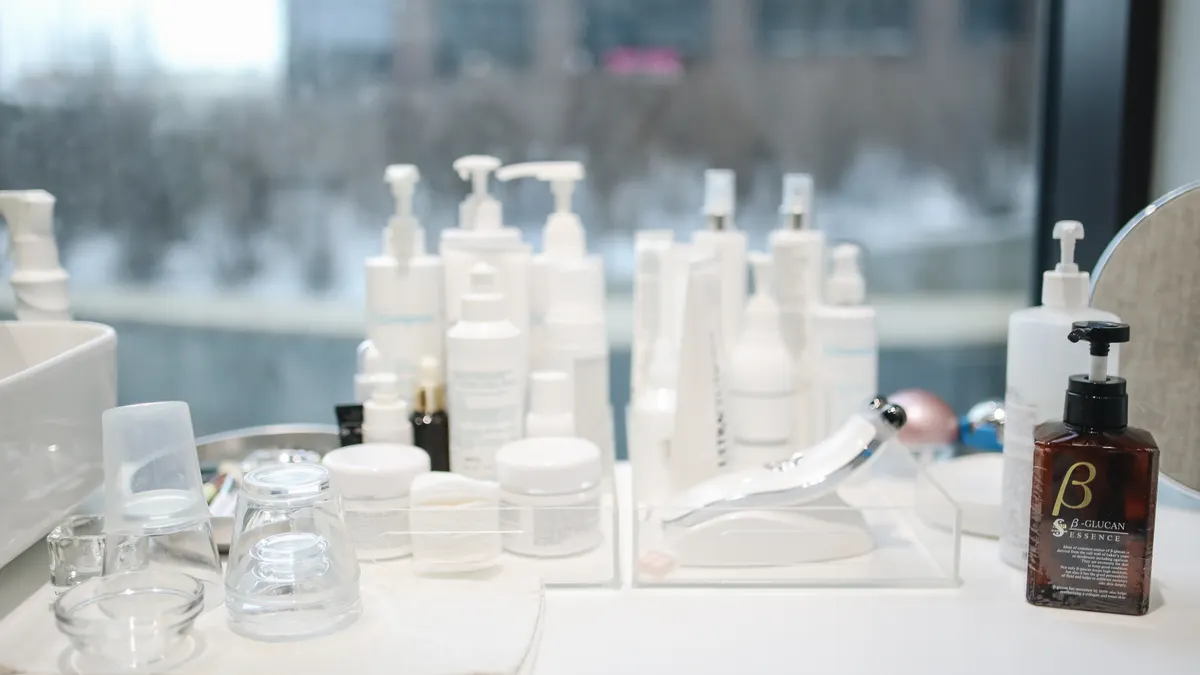
The clean beauty movement has transformed the beauty industry, making you more conscious of what you apply to your skin. But how did it all start, and who are the key players driving this change? Let’s explore the origins, influencers, and the growing popularity of clean beauty products.
Origins of the clean beauty movement
The clean beauty movement began as a response to growing concerns about the harmful chemicals in traditional beauty products. In the early 2000s, consumers started questioning the safety of ingredients like parabens and sulfates. This curiosity led to a demand for safer alternatives. By 2010, clean beauty retailers began to command attention. The Detox Market’s pop-up shop in Venice, California, quickly expanded to three more locations. Over the next five years, other pioneers like Follain and Credo opened boutiques across the country. These retailers played a crucial role in bringing clean beauty to the forefront, offering products that prioritize your health and the environment.
Key players and influencers in the movement
Several key players and influencers have shaped the clean beauty movement. Brands like RMS Beauty, Tata Harper, and Drunk Elephant have become household names, known for their commitment to safe and effective products. These brands focus on transparency, ensuring you know exactly what’s in their products. Influencers and celebrities have also played a significant role. Figures like Gwyneth Paltrow and Jessica Alba have used their platforms to promote clean beauty, raising awareness and encouraging you to make informed choices. Their advocacy has helped shift consumer preferences towards products that align with the principles of clean beauty.
Growth and popularity of clean beauty products
The popularity of clean beauty products has skyrocketed in recent years. As more people become aware of the potential risks associated with traditional beauty products, the demand for clean alternatives continues to grow. The market is booming, with projections showing it could reach USD 21.45 billion by 2031. This growth highlights a significant shift in consumer preferences, as you and others seek safer, more sustainable beauty options. Clean beauty products are now widely available, making it easier for you to find products that align with your values. The movement’s success demonstrates the power of informed consumers like you, who prioritize health and environmental responsibility.
By understanding the origins and key players of the clean beauty movement, you can appreciate the impact it has had on the beauty industry. Embracing clean beauty means you’re not just caring for your skin but also contributing to a healthier environment. As the movement continues to grow, you have more opportunities to make choices that reflect your commitment to What Is Clean Beauty.
Why should you care about clean beauty?
You might wonder why clean beauty matters to you. It’s not just a trend; it’s a lifestyle choice that impacts your health, the environment, and ethical standards. Let’s explore why you should care about What Is Clean Beauty.
Personal health and safety
Your health is paramount. Clean beauty products prioritize your well-being by avoiding harmful chemicals. Traditional beauty products often contain ingredients like parabens and sulfates, which can disrupt hormones and cause skin irritation. By choosing clean beauty, you reduce exposure to these risks. You deserve products that are safe and nourishing for your skin. Clean beauty ensures transparency, so you know exactly what you’re applying. This knowledge empowers you to make choices that protect your health.
Environmental sustainability
The environment benefits when you choose clean beauty. Traditional beauty products contribute to pollution through harmful chemicals and excessive packaging. These substances can harm aquatic life and ecosystems. Clean beauty brands focus on sustainability. They use eco-friendly packaging and prioritize ingredients that are safe for the planet. By opting for clean beauty, you help reduce pollution and conserve natural resources. Your choices make a difference in creating a healthier environment.
Ethical considerations (e.g., avoiding animal testing)
Ethical practices matter in the beauty industry. Many clean beauty brands avoid animal testing and support fair trade. They aim to create products that are not only safe but also ethically produced. By choosing clean beauty, you align with brands that value ethical standards. You contribute to a movement that promotes responsible and humane practices. Your choices reflect your commitment to What Is Clean Beauty and its ethical principles.
Example: Personal story of someone who switched to clean beauty
Meet Sarah, a young professional who decided to make a change in her beauty routine. She had always been passionate about skincare but started noticing some adverse reactions to her usual products. Her skin felt irritated, and she experienced frequent breakouts. Frustrated, she began researching the ingredients in her beauty products.
Sarah discovered that many of her go-to items contained parabens and sulfates. These chemicals, often found in traditional beauty products, can disrupt hormones and irritate sensitive skin. Determined to find a solution, she explored the world of clean beauty.
“Switching to clean beauty was a game-changer for me,” Sarah shared. “I realized I didn’t have to compromise my health for beauty.”
Sarah started by replacing her facial cleanser and moisturizer with clean alternatives. She chose products free from harmful chemicals, focusing on those with natural and non-toxic ingredients. Within weeks, she noticed a significant improvement in her skin’s texture and clarity. The irritation subsided, and her complexion looked healthier.
Her journey didn’t stop there. Sarah embraced clean beauty as a lifestyle choice. She expanded her collection to include clean makeup and haircare products. This switch not only benefited her skin but also aligned with her values. By choosing environmentally responsible options, she contributed to reducing pollution and conserving natural resources.
Environmental impact and transparency in the beauty industry

The beauty industry has a significant impact on the environment. As a conscious consumer, understanding these impacts can help you make better choices.
Packaging waste and its impact
Packaging waste is a major concern in the beauty industry. Many products come in plastic containers that end up in landfills or oceans. This waste contributes to pollution and harms wildlife. When you choose clean beauty products, you often find brands that use sustainable packaging. They might use recyclable materials or offer refillable options. By supporting these brands, you help reduce waste and protect the environment.
Use of natural resources (e.g., palm oil, mica)
The extraction of natural resources like palm oil and mica also affects the environment. Palm oil production leads to deforestation, which destroys habitats and contributes to climate change. Mica mining often involves unethical practices, including child labor. Clean beauty brands strive to source these ingredients responsibly. They ensure that their products do not contribute to environmental harm or exploit workers. By choosing such brands, you support ethical and sustainable practices.
Case study: Environmental impact of a popular beauty product
Consider the impact of a popular beauty product like a traditional foundation. Many foundations contain synthetic ingredients and come in non-recyclable packaging. These products contribute to pollution and resource depletion. In contrast, clean beauty foundations use safer ingredients and eco-friendly packaging. They minimize environmental impact while providing effective results.
Jordan Lee Dooley, after facing personal health challenges, realized the importance of clean beauty. She learned about the industry’s impact and made changes to her routine. Her story highlights the benefits of choosing products that align with your values.
Switching to clean beauty is a personal choice. It can lead to visible improvements in your skin and contribute to a healthier planet. By making informed decisions, you play a part in promoting transparency and sustainability in the beauty industry.
Importance of transparency in ingredient sourcing and manufacturing
Transparency in ingredient sourcing and manufacturing plays a crucial role in the clean beauty movement. When you know exactly what goes into your beauty products and how they’re made, you can make informed decisions that align with your values. Here’s why transparency matters:
- Trust and Confidence: When brands openly share their ingredient lists and sourcing practices, they build trust with you. You feel confident knowing that the products you use are safe and ethically produced. This trust encourages you to support brands that prioritize transparency.
- Health and Safety: Transparency ensures that you are aware of any potential allergens or harmful substances in your products. By knowing what’s inside, you can avoid ingredients that might cause adverse reactions. This knowledge empowers you to choose products that are safe for your skin and overall health.
- Environmental Responsibility: Understanding how ingredients are sourced helps you assess the environmental impact of your beauty products. Brands that disclose their sourcing practices often prioritize sustainable methods, reducing harm to the planet. By choosing transparent brands, you contribute to environmental conservation.
- Ethical Practices: Transparency in manufacturing processes highlights ethical considerations, such as fair labor practices and cruelty-free testing. When brands are open about their manufacturing, you can support those that uphold ethical standards. This choice reflects your commitment to humane and responsible practices.
Jordan Lee Dooley’s journey into clean beauty underscores the importance of transparency. After facing personal health challenges, she realized the need to scrutinize the products she used daily. Her story serves as a reminder that understanding the truth about the beauty industry can lead to positive changes in your routine.
Does clean beauty have to be all-natural?
You might wonder if clean beauty products must be all-natural. The answer isn’t as straightforward as you might think. Clean beauty focuses on safety and transparency, but it doesn’t always mean every ingredient is natural. Let’s break it down.
Definition of natural vs. synthetic ingredients
Natural ingredients come from plants, minerals, or animals. They are often minimally processed. Examples include aloe vera, coconut oil, and beeswax. These ingredients are popular in clean beauty for their perceived purity and gentleness.
Synthetic ingredients, on the other hand, are man-made. They are created through chemical processes. Not all synthetic ingredients are harmful. Some are safe and effective, like hyaluronic acid, which hydrates your skin. In clean beauty, the focus is on using safe synthetics that don’t harm your health or the environment.
Benefits and drawbacks of natural ingredients
Natural ingredients offer several benefits. They are often rich in vitamins and antioxidants, which nourish your skin. Many people find them gentler and less irritating than synthetic alternatives. Natural ingredients also appeal to those who prefer eco-friendly and sustainable options.
However, natural ingredients have drawbacks too. They can be less stable, leading to shorter shelf lives. This means clean beauty products might expire faster, contributing to waste. Additionally, some natural ingredients can cause allergic reactions. It’s essential to know your skin’s needs and sensitivities.
Example: Comparison of natural and synthetic ingredients in a common product
Let’s compare natural and synthetic ingredients in a common product: moisturizer.
- Natural Moisturizer: Often contains ingredients like shea butter, jojoba oil, and chamomile extract. These ingredients hydrate and soothe your skin. They provide a luxurious feel and are biodegradable, reducing environmental impact.
- Synthetic Moisturizer: May include ingredients like glycerin and dimethicone. Glycerin attracts moisture, keeping your skin hydrated. Dimethicone creates a barrier, locking in moisture. These ingredients are stable and have longer shelf lives.
Both types of moisturizers have their merits. Natural options offer a more eco-friendly choice, while synthetic ones provide stability and effectiveness. Your choice depends on your preferences and skin needs.
In clean beauty, the goal is to prioritize safe and effective ingredients, whether natural or synthetic. By understanding the differences, you can make informed decisions that align with your values and skincare goals.
What ingredients you should avoid?
Navigating the world of beauty products can feel overwhelming, especially when it comes to understanding which ingredients to avoid. Let’s break down some common culprits that you might want to steer clear of in your beauty routine.
Parabens and phthalates
Parabens and phthalates often pop up in beauty products, but they aren’t your skin’s best friends. Parabens act as preservatives, extending the shelf life of cosmetics. However, they can mimic estrogen in your body, potentially disrupting your hormonal balance. Phthalates, used to make fragrances last longer, have been linked to reproductive issues.
The Modernization of Cosmetics Regulation Act of 2022 (MoCRA) requires the disclosure of specific fragrance ingredients, helping you identify products containing phthalates. This transparency empowers you to make informed choices about what you apply to your skin.
Sulfates
Sulfates, like sodium lauryl sulfate, create that satisfying lather in shampoos and cleansers. But they can strip your skin and hair of natural oils, leading to dryness and irritation. If you have sensitive skin or color-treated hair, sulfates might not be your best bet. Opt for sulfate-free alternatives to keep your skin and hair healthy and hydrated.
Fragrance
Fragrance in beauty products can be a mystery. Often labeled simply as “fragrance,” this term can hide a cocktail of chemicals. Some of these chemicals may cause allergic reactions or skin irritation. The Fair Packaging and Labeling Act (FPLA) mandates the declaration of ingredients, but fragrances often remain undisclosed due to trade secret protections.
To avoid potential irritants, look for products labeled as “fragrance-free” or those that use natural essential oils for scent. This choice helps you dodge unwanted chemicals while still enjoying pleasant aromas.
Talc
Talc is a mineral often found in beauty products like powders and eyeshadows. It helps absorb moisture and gives products a silky texture. However, talc has raised concerns due to its potential contamination with asbestos, a known carcinogen. You might wonder how this happens. Talc and asbestos naturally occur close to each other in the earth, leading to contamination during mining.
The FDA Federal Food, Drug and Cosmetic Act of 1938 regulates cosmetics but exempts ingredients like talc from strict oversight. This means manufacturers must ensure their talc is asbestos-free. Despite this, some products have tested positive for asbestos, raising health concerns. To stay safe, look for products labeled as “asbestos-free” or consider alternatives like cornstarch-based powders.
Silica
Silica is another common ingredient in beauty products, used for its ability to improve texture and absorb oil. It gives your skin a smooth, matte finish. But not all silica is created equal. Crystalline silica, when inhaled, can cause lung damage. Fortunately, most beauty products use amorphous silica, which is considered safe for topical use.
The Fair Packaging and Labeling Act (FPLA) requires manufacturers to list ingredients, helping you identify products containing silica. When choosing products, ensure they specify the type of silica used. This transparency allows you to make informed decisions and avoid potential health risks.
Hydroquinone
Hydroquinone is a skin-lightening agent used to treat hyperpigmentation and dark spots. It works by reducing melanin production in the skin. While effective, hydroquinone has sparked debate due to potential side effects. Prolonged use can lead to ochronosis, a condition causing skin darkening and thickening.
In the United States, hydroquinone is available over-the-counter in concentrations up to 2%. Higher concentrations require a prescription. The Modernization of Cosmetics Regulation Act of 2022 (MoCRA) emphasizes the importance of ingredient disclosure, allowing you to understand what you’re applying to your skin. If you’re considering products with hydroquinone, consult a dermatologist to ensure safe and effective use.
Refined petroleum
Refined petroleum, often found in beauty products as mineral oil or petrolatum, might sound harmless, but it raises some concerns. You might wonder why it’s used in cosmetics. Well, refined petroleum acts as a barrier on your skin, locking in moisture and giving products a smooth texture. However, it’s not all sunshine and rainbows.
- Potential Contaminants: Refined petroleum can contain impurities like polycyclic aromatic hydrocarbons (PAHs). These substances have links to cancer. The FDA Federal Food, Drug and Cosmetic Act of 1938 regulates cosmetics, but it exempts ingredients like refined petroleum from strict oversight. This means manufacturers must ensure their products are free from harmful contaminants.
- Environmental Impact: The extraction and refining of petroleum contribute to pollution and environmental degradation. By choosing products without refined petroleum, you support brands that prioritize sustainability and reduce their carbon footprint.
- Alternatives: You have options! Look for products with natural oils like coconut or jojoba oil. These alternatives provide similar moisturizing benefits without the potential risks associated with refined petroleum.
“Switching to products without refined petroleum can make a difference for your skin and the planet,” says skincare expert Dr. Jane Doe. “Natural oils offer a safer and more eco-friendly choice.”
FAQ
What is the difference between clean beauty and organic beauty?
Clean Beauty: Prioritizes non-toxic ingredients, whether natural or synthetic.
Organic Beauty: Focuses on naturally sourced ingredients, avoiding synthetic chemicals in cultivation.
How can I identify clean beauty products?
Read Labels: Check for clear ingredient lists and avoid products with undisclosed fragrances.
Research Brands: Choose brands known for transparency and ethical practices.
Use Databases: Refer to resources like Skin Deep for safety ratings.
Are clean beauty products more expensive?
While some can be pricier due to high-quality ingredients and ethical sourcing, many affordable options exist. The cost often reflects the brand’s commitment to safe and sustainable practices.
Can clean beauty products be as effective as traditional products?
clean beauty products can be just as effective as traditional ones. The focus on safe and complementary ingredients ensures that you don’t have to compromise on results. By choosing clean beauty, you prioritize both your health and the environment.
Are clean beauty products suitable for all skin types?
Yes, clean beauty products cater to various skin types. Brands often offer options for sensitive, oily, dry, and combination skin.
Do clean beauty products expire faster than traditional ones?
Some clean beauty products may have shorter shelf lives due to fewer preservatives. However, many brands use safe preservatives to extend product longevity. Always store products as directed to maintain their effectiveness.
Can I find clean beauty products at an affordable price?
Absolutely! While some clean beauty products can be pricey, many affordable options exist.
How do I know if a product is truly clean?
Look for brands that emphasize transparency and provide detailed ingredient lists. Resources like the Environmental Working Group’s Skin Deep database can help you assess product safety.
