

Have you ever wondered if retinol can help with those pesky dark spots on your skin? You’re not alone. Many people seek solutions for hyperpigmentation and uneven skin tone. Retinol, a form of vitamin A, has gained popularity for its ability to boost skin renewal and stimulate collagen production. This process not only reduces dark spots but also improves overall skin texture. By increasing cell turnover, retinol helps reveal fresher, more radiant skin. So, does retinol help with dark spots? Let’s dive into the science behind this skincare powerhouse.
What Is Retinol?
Definition
Retinol is a form of vitamin A that plays a crucial role in skincare. You might have heard about it in beauty circles or seen it listed on skincare products. It’s known for its ability to improve skin health and appearance. Retinol works by penetrating the skin and promoting cell turnover. This process helps shed old skin cells and encourages the growth of new ones. As a result, your skin looks fresher and more youthful.
Forms
Retinol comes in various forms, making it easy to incorporate into your skincare routine. You can find it in:
- Creams: These are often rich and moisturizing, suitable for nighttime use.
- Gels: Lightweight and fast-absorbing, gels work well for oily or acne-prone skin.
- Lotions: These provide a balance of hydration and retinol benefits, ideal for daily use.
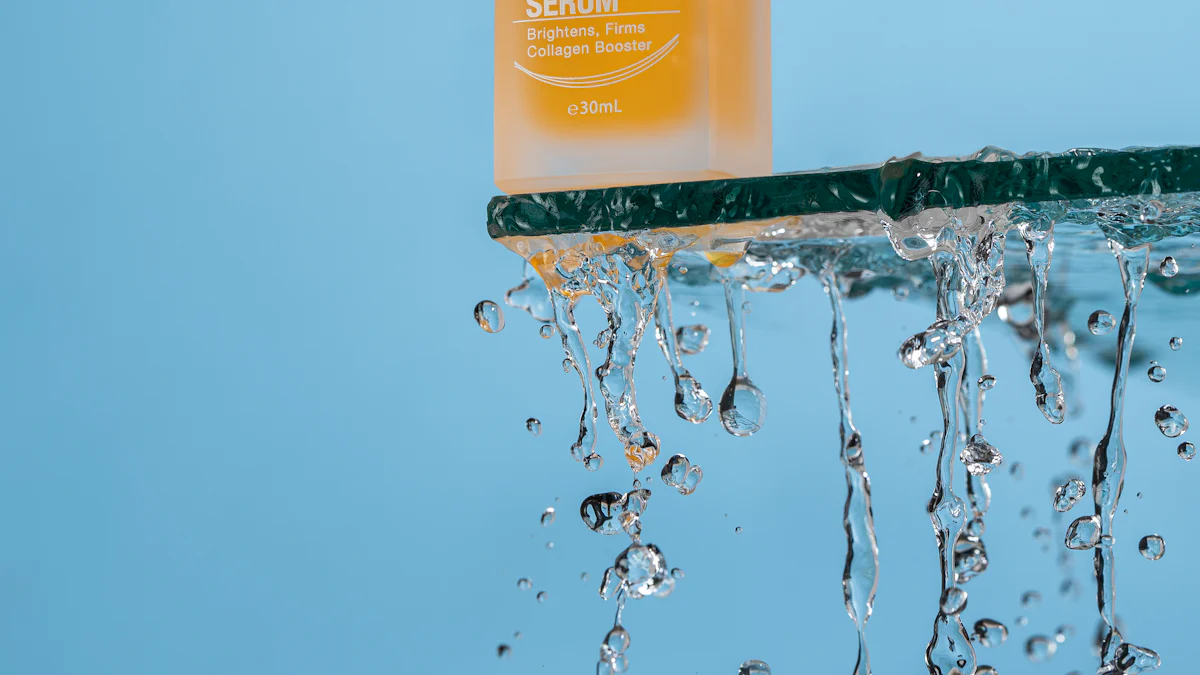
- Serums: Concentrated and potent, serums deliver a powerful dose of retinol to target specific skin concerns.
Each form has its unique benefits, so you can choose one that fits your skin type and needs.
Benefits
Retinol offers a range of benefits that make it a popular choice in skincare:
- Anti-Aging: Retinol reduces the appearance of fine lines and wrinkles by boosting collagen production. This helps maintain skin elasticity and firmness.
- Acne Treatment: It unclogs pores and prevents the formation of new acne lesions. This makes it effective for those struggling with breakouts.
- Hyperpigmentation Reduction: Retinol helps fade dark spots and even out skin tone by accelerating cell turnover.
- Improved Skin Texture: Regular use of retinol can lead to smoother, more refined skin texture.
Why Retinol Works
Skin Cell Turnover
Retinol works wonders for your skin by boosting cell turnover. This means it helps your skin shed old, dead cells and replace them with fresh, new ones. When you use retinol, it encourages your skin to renew itself more quickly. This process can lead to a smoother and more even complexion. You might notice that your skin feels softer and looks brighter. By promoting this natural renewal process, retinol helps fade dark spots and improve overall skin texture.
Tyrosinase Inhibition
Retinol also plays a role in reducing melanin production, which is the pigment responsible for dark spots. It does this by inhibiting an enzyme called tyrosinase. When tyrosinase activity decreases, your skin produces less melanin. This reduction in melanin helps lighten existing dark spots and prevents new ones from forming. By using retinol, you can achieve a more even skin tone and reduce the appearance of hyperpigmentation.
Collagen Production
Another fantastic benefit of retinol is its ability to boost collagen production. Collagen is a protein that keeps your skin firm and youthful. As you age, collagen levels naturally decrease, leading to wrinkles and sagging skin. Retinol stimulates collagen synthesis, helping to maintain your skin’s elasticity and firmness. With regular use, you may notice a reduction in fine lines and wrinkles. Your skin will appear plumper and more youthful, giving you a radiant and rejuvenated look.
What Are Dark Spots?

Definition: Define dark spots (hyperpigmentation)
Dark spots, often referred to as hyperpigmentation, are areas of skin that appear darker than the surrounding skin. This occurs when your skin produces excess melanin, the pigment responsible for skin color. You might notice these spots on your face, hands, or other parts of your body that get exposed to the sun. They can vary in size and shape, sometimes appearing as small freckles or larger patches.
Types
Dark spots come in different types, each with unique characteristics:
- Melasma: Often called the “mask of pregnancy,” melasma appears as brown or gray-brown patches, usually on the face. Hormonal changes, such as those during pregnancy, can trigger melasma.
- Sunspots: Also known as solar lentigines, these spots develop due to prolonged sun exposure. They often appear on areas like your face, hands, and shoulders, where the sun hits most.
- Post-Inflammatory Hyperpigmentation (PIH): This type occurs after an injury or inflammation to the skin, such as acne or eczema. PIH results in darkened patches or spots where the skin has healed.
Causes
Several factors can lead to the development of dark spots:
- Sun Exposure: The sun’s ultraviolet (UV) rays can increase melanin production, leading to sunspots. Protecting your skin with sunscreen can help prevent these spots.
- Hormonal Changes: Hormones can play a significant role in the formation of dark spots. Conditions like pregnancy or taking birth control pills can trigger melasma.
- Acne: After acne heals, it can leave behind dark spots known as post-inflammatory hyperpigmentation. These spots can linger long after the blemish has disappeared.
What Should I Know About Retinol for Dark Spots?
Not All Retinol Is Created Equally
When it comes to retinol, not all products are the same. You might find different strengths and formulations on the market, each offering unique benefits.
Strengths
Retinol comes in various strengths, ranging from over-the-counter options to prescription formulas. Over-the-counter retinol typically contains lower concentrations, such as 0.25% or 0.5%. These are great for beginners or those with sensitive skin. Prescription retinol, like tretinoin, offers higher concentrations, such as 0.1%, and provides more potent results. However, it may also cause more irritation. Choosing the right strength depends on your skin’s tolerance and the severity of your dark spots.
Formulations
Retinol is available in different formulations, including creams, serums, and gels. Each formulation has its own set of advantages. Creams often provide hydration, making them suitable for dry skin. Serums deliver a concentrated dose of retinol, ideal for targeting specific concerns like dark spots. Gels, being lightweight, work well for oily or acne-prone skin. Selecting the right formulation can enhance the effectiveness of retinol in addressing your dark spots.
Retinol Supports Youthful-Looking Skin
Retinol not only helps with dark spots but also supports youthful-looking skin. It offers multiple benefits that contribute to a more radiant complexion.
Anti-Aging
Retinol stimulates collagen production, which reduces the appearance of fine lines and wrinkles. By promoting skin elasticity, it helps maintain a firm and youthful look. Regular use of retinol can lead to smoother skin and a reduction in visible signs of aging.
Even Skin Tone
Retinol enhances skin cell turnover, which helps even out skin tone and texture. This process fades dark spots and reveals fresher, more radiant skin. With consistent use, you can achieve a more uniform complexion and a healthy glow.
Antioxidants Are Retinol’s BFF
Combining retinol with antioxidants can boost its effectiveness. Antioxidants protect your skin from environmental damage and enhance the benefits of retinol.
Synergy
When you pair retinol with antioxidants like vitamin C, you create a powerful skincare duo. Vitamin C brightens the skin and reduces oxidative stress, while retinol promotes cell renewal. Together, they work synergistically to fade dark spots and improve skin texture.
Examples
Look for products that combine retinol with antioxidants for maximum benefits. Some popular options include serums that feature both retinol and vitamin C. These products offer a comprehensive approach to tackling dark spots and achieving a more even skin tone.
Sometimes, Retinol Causes Dryness
Side Effects
When you start using retinol, you might notice some side effects. Dryness and irritation are the most common ones. Your skin may feel tight or flaky, especially if you’re new to retinol. This happens because retinol speeds up cell turnover, which can temporarily disrupt your skin’s natural barrier. You might also experience redness or a slight burning sensation. These effects usually subside as your skin adjusts to the product.
Mitigation
You can take steps to minimize these side effects. Here are some tips:
- Moisturize: Apply a good moisturizer after using retinol. This helps lock in moisture and soothe your skin. Look for products with hydrating ingredients like hyaluronic acid or ceramides.
- Start Slowly: Introduce retinol gradually into your routine. Begin with a lower concentration, such as 0.25%, and use it every other night. As your skin builds tolerance, you can increase the frequency and strength.
- Avoid Harsh Products: Steer clear of other exfoliating or irritating products while your skin adjusts to retinol. This includes scrubs, acids, and alcohol-based toners.
Alternating Lactic Acid With Retinol Can Minimize Dark Spots
Combination Therapy
Combining lactic acid with retinol can enhance your skincare routine. Lactic acid is an alpha hydroxy acid (AHA) that gently exfoliates the skin. It helps remove dead skin cells, allowing retinol to penetrate more effectively. This combination can improve skin texture and tone, making dark spots less noticeable. Lactic acid also hydrates the skin, which can counteract the drying effects of retinol.
How-To: Step-by-step guide on alternating these products
- Night 1: Apply lactic acid after cleansing your face. Follow with a moisturizer to keep your skin hydrated.
- Night 2: Use retinol after cleansing. Again, apply a moisturizer to lock in hydration.
- Repeat: Continue this pattern, giving your skin a break from each product every other night.
Not All Dark Pigment Spots Can Be Removed With Retinol
Limitations
While retinol is effective for many types of dark spots, it doesn’t work for all. Some spots, like deep melasma or stubborn post-inflammatory hyperpigmentation, may not respond well to retinol alone. These spots often require more intensive treatments. Retinol can help lighten them, but it might not completely remove them.
Professional Treatments
For those persistent dark spots, you might need professional treatments. Here are some options:
- Chemical Peels: These treatments use acids to exfoliate the skin deeply. They can improve the appearance of dark spots and even out skin tone.
- Laser Therapy: Lasers target pigmentation in the skin, breaking it down and reducing the appearance of dark spots. This treatment is effective but may require multiple sessions.
- Microdermabrasion: This procedure exfoliates the skin’s surface, promoting new cell growth and reducing pigmentation.
Say Goodbye to Dark Spots
Success Stories
Imagine waking up one day and noticing that those stubborn dark spots have faded. Many people have experienced this transformation thanks to retinol. Let’s explore some real-life success stories that highlight the power of this skincare ingredient.
- Sarah’s Journey: Sarah struggled with sunspots for years. She decided to incorporate a retinol serum into her nightly routine. Within a few months, she noticed a significant reduction in the appearance of her dark spots. Her skin looked brighter and more even-toned. Sarah’s story shows how consistency with retinol can lead to impressive results.
- Mark’s Experience: Mark dealt with post-inflammatory hyperpigmentation after battling acne. He started using a retinol cream recommended by his dermatologist. Over time, the dark spots began to fade, and his skin texture improved. Mark’s experience demonstrates how retinol can be effective for various types of hyperpigmentation.
- Emily’s Transformation: Emily had melasma, which made her self-conscious. She introduced retinol into her skincare regimen, along with a rich moisturizer to combat dryness. After several months, her melasma patches lightened, and her confidence soared. Emily’s transformation highlights the importance of patience and proper skincare when using retinol.
These stories illustrate that while retinol requires time and dedication, it can deliver remarkable changes in your skin’s appearance.
FAQ
How long does it take to see results with retinol?
Typically 4-6 weeks of consistent use
Can I use retinol if I have sensitive skin?
Yes, but start slowly and use a lower concentration
Should I use retinol during the day or at night?
At night, as retinol can make your skin more sensitive to sunlight
Can I use retinol if I’m pregnant or breastfeeding?
Consult with a healthcare provider before use
